What we do
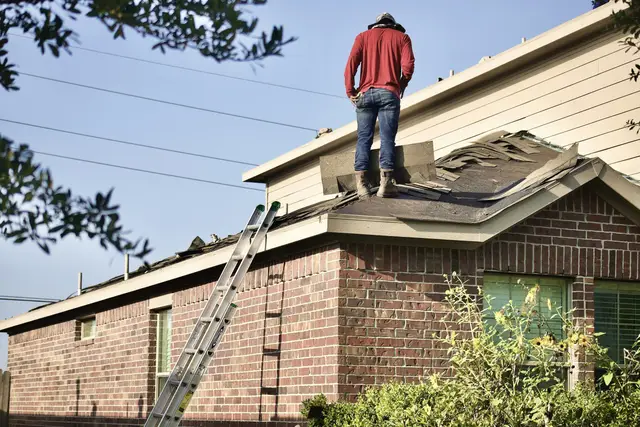
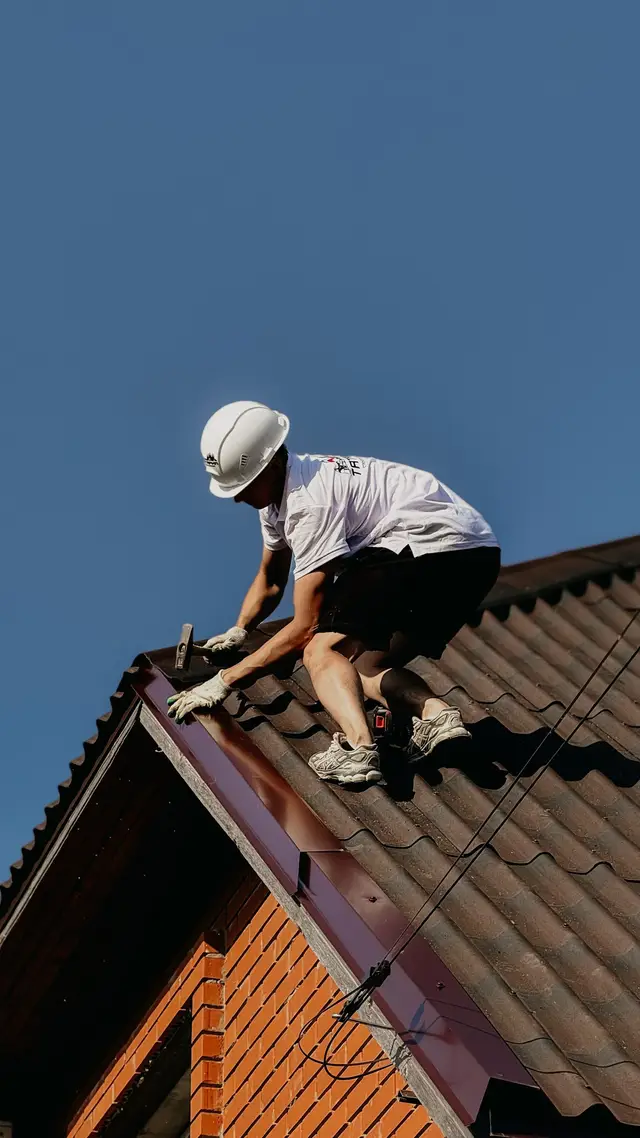
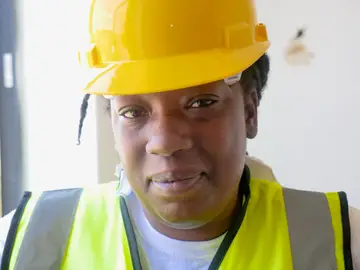
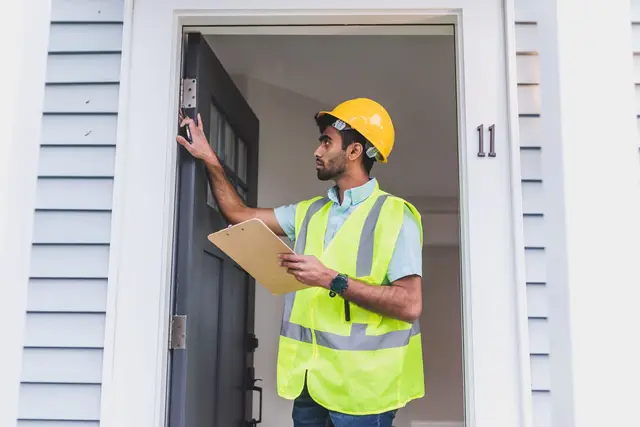
Our roofing services in Lee County come down to four kinds of work: putting on a new roof, fixing one that leaks, getting a house through the days after a hurricane, and pulling together the records an insurer asks for. What ties them together is who does the work. The person who climbs up for the first look is the crew lead who runs your job, so nothing gets lost between the quote and the roof.
A new roof from the deck up
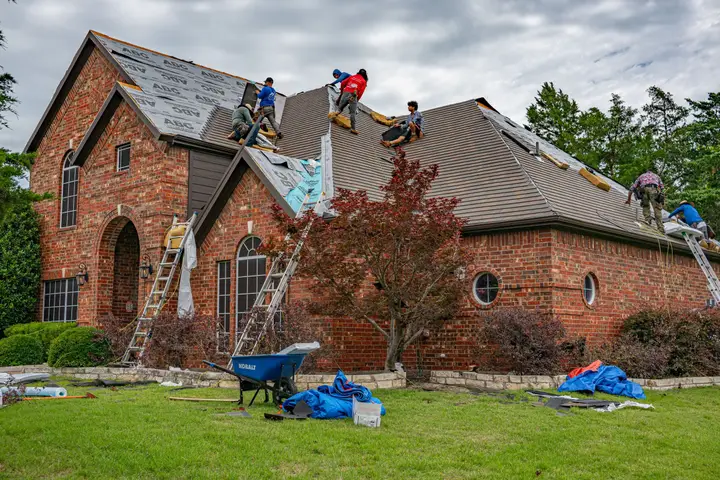
Most of what decides how a roof holds up in a storm is hidden once the job is done. A roof replacement strips the old covering to bare wood so the crew can check every sheet, swap the soft ones and nail the deck to today’s code before anything new goes on. Then come the sealed seams, the underlayment, the flashing and the covering you picked: architectural shingle, concrete tile or standing seam metal. The written price lists each of those on its own line, and the per-sheet price for any rotten decking is written down before work starts, so a bad surprise under the old roof never becomes a surprise on the bill.
Repairs that start where the water starts
A stain on the ceiling usually sits well downhill from the opening that let the water in. A roof repair begins in the attic and on the roof, following the path back to its real source: a split pipe boot, a lifted shingle tab, tile underlayment that has dried out, or the tie-in where a lanai roof meets the main house. We photograph the opening before touching it and again once it is fixed. If the roof around the repair has plenty of life left, you hear that. If it doesn’t, you hear that too, before you spend money patching it.
Hurricane damage, covered first and written down after
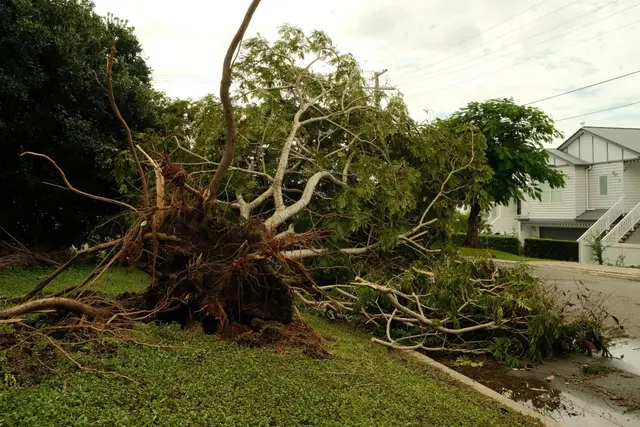
After a big blow, the first job is keeping the next rain out. Our hurricane damage visits put a tarp on any opening, held down with battens so it doesn’t flap loose overnight. Then the crew walks every slope and writes up what the wind did, with dated photos, including the slopes that came through fine. That report matters later, when you or your insurer need to know what was storm damage and what was already there.
Paperwork for your insurer
An insurer wants evidence it can read quickly. Our insurance claim paperwork is a dated photo set, measurements, a written damage report and an itemized repair price, put together so you can forward it as it is. If you ask, someone will be on the roof when the adjuster visits to point out what the photos show. Your coverage, the negotiation and your deductible stay between you and your insurer. Florida law keeps roofers out of all three, and we would rather keep it that way.
How booking works for any of the four
Every job starts the same way. You book a free inspection with the form on this page or by phone, and a crew lead comes out, usually within a few working days, or sooner after a storm. They look at the roof, the attic and the ceilings below, take photos and send a written price. No deposit is due until the permit is issued, and on the day the job starts, the crew lead you met is the one standing in your driveway.
Towns we cover
We take all four services to Fort Myers, Cape Coral and Estero. Each has its own mix of roofs and its own building office, and the areas page sorts out which is which.