Services
Hurricane Roof Damage in Fort Myers, Tarped and Documented
Storm tarping and post-hurricane roof inspections across Lee County, with dated photos of every slope and a written report.
Hurricane damage
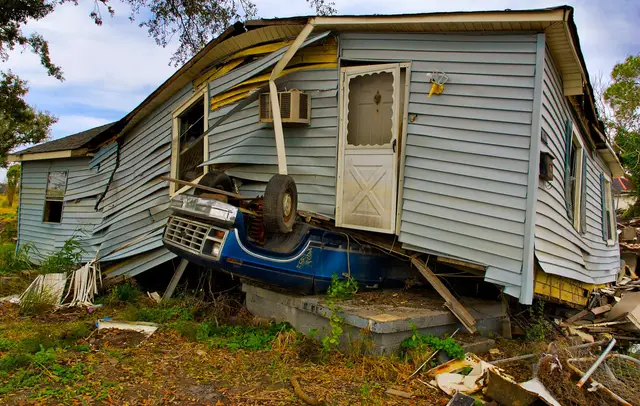
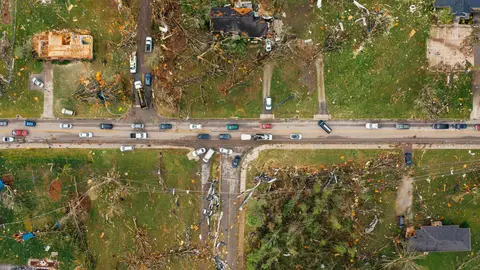
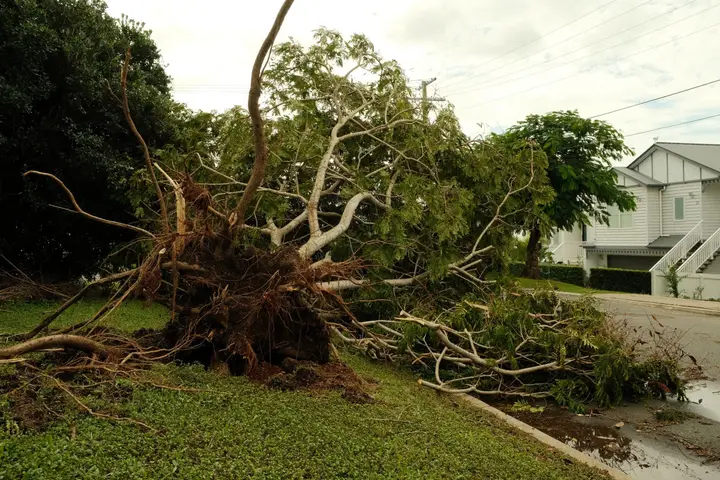
Hurricane roof damage in Fort Myers rarely looks like the pictures on the news. Most roofs keep their shape. What changes is underneath and around the edges: shingles lifted and creased, tiles cracked in place, flashing peeled back, ridge caps gone, a branch-sized hole where a limb came down. The first rain after the storm finds every one of those openings. Our first job after a hurricane is to stop the water. The second is to write down exactly what the storm did, so you have a clear record for whatever comes next.
The first days after a storm
Safety first. Stay off the roof. Keep clear of downed lines and of trees that are leaning on the house. If water is coming through a ceiling near light fixtures, turn that circuit off at the panel.
Take your own photos. From the ground and inside, before anything is moved. Ceiling stains, water on the floor, debris in the yard, the tree on the roof. Your photos and ours together tell the whole story.
Call for a tarp. If water is getting in, the next rain will do more damage than the storm did. We tarp roofs as fast as the region’s demand allows, and we tell you the honest wait when you call.
Keep receipts. For the tarp, for drying equipment, for anything you buy to protect the house.
How we tarp
A tarp done badly blows off in the next squall and takes shingles with it. We fasten tarps over the ridge where we can, using battens screwed through the tarp so the wind can’t get under the edges, and we keep fasteners out of sound areas as much as possible. Before the tarp goes on, the damage under it is photographed, because once it’s covered nobody can see it until the permanent repair.
What wind does to each kind of roof
Shingle. Wind gets under the leading edge, lifts the shingle and breaks the adhesive strip that holds it down. Sometimes it tears off; often it folds back, creases and lies flat again, looking normal from below. We check the seal on every slope, not just the ones with obvious gaps.
Concrete tile. Flying debris cracks tile, and strong uplift can loosen tiles whose adhesive or fasteners were weak. Broken tile lets rain reach the underlayment, which then has to carry the whole job of keeping water out.
Metal. Well-fastened metal often comes through with little more than scratches. Where it fails, it’s usually at the edges or where a panel’s clips gave way, and one loose panel can peel others with it.
Flat and low-slope sections. The roofs over lanais, porches and additions can have their membrane lifted at the edge or punctured by debris, and they’re often where the first leak appears.
Wind, water and flood
After the storms of recent years many Fort Myers homeowners learned the hard way that wind and flood are separate. Damage from wind and wind-driven debris is usually a homeowners policy question; rising water is usually a flood policy question, and flood coverage is a separate policy. We document the roof and the damage that came from above. If water came in from the ground up too, mention that to your insurer separately.
The written report
After the inspection you get dated photos of every slope and every problem, a written report that says what we found and what we think caused it, and an itemized price for the repair. If parts of the roof came through without damage, the report says that too. Our insurance claim paperwork page explains how that fits into a claim, and what we leave to you and your insurer.
Storm chasers
After every big hurricane, crews from out of state arrive in Southwest Florida, knock on doors and ask for a signature on the spot. Some are fine. Many aren’t licensed here, and some are gone before the warranty matters. Before you sign anything, check the contractor’s Florida licence, ask for a written itemized price, and be wary of anyone who offers to cover your deductible or asks you to sign your claim over. We’re glad to be checked the same way.
Repair or replacement
Plenty of roofs only need a repair after a storm: a section of shingles, a few tiles, new flashing, a pipe boot. When the damage is spread across several slopes, or the roof was near the end of its life before the storm, a full replacement may be the better spend. We show you the photos and explain which way we lean and why, and the decision is yours.
We inspect and tarp storm-damaged roofs across Fort Myers, Cape Coral and Estero.
Hurricane damage by town
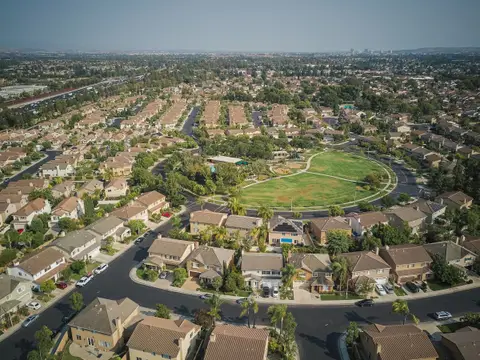
- Hurricane damage in Fort Myers, FLOlder shingle roofs near McGregor, block homes off Colonial and the neighborhoods still rebuilding after Ian and Milton.
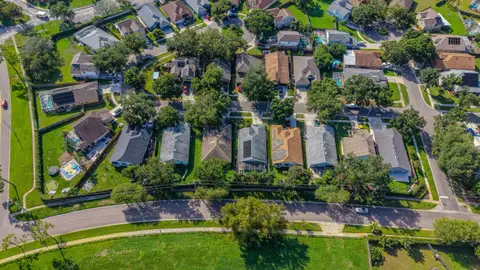
- Hurricane damage in Cape Coral, FLSingle-story canal homes with shingle or concrete tile, lanais and pool cages tied into the roof edge.
- Hurricane damage in Estero, FLConcrete tile in gated communities, re-roofed to the association's approved colours and the Florida code.
Questions about hurricane damage
Should I go up on the roof myself after the storm?
Please don't. Wet shingles and tile are slippery, storm-damaged decking can give way, and there may be loose debris or lines you can't see. Take photos from the ground and from inside the attic if it's safe, and leave the climbing to a crew with harnesses.
How do I know the roofer at my door is licensed?
Ask for the licence number and look it up on the state's licensing site, myfloridalicense.com. Roofing in Florida takes a state roofing or general contractor licence, and after every big storm unlicensed crews arrive from out of town. A real contractor won't mind you checking.
My roof looks fine from the street. Do I still need an inspection?
It's worth one. Wind lifts shingles and breaks their seal without tearing them off, cracks tile without moving it and loosens flashing, and none of that shows from the ground. It shows up as a leak in the next heavy rain, by which time it's harder to tie to the storm.
Do you charge for the post-storm inspection?
No. The inspection, photos and written report are free. Tarping and repairs are priced in writing before we do them.