Roof care
How Long a Shingle Roof Lasts in Southwest Florida
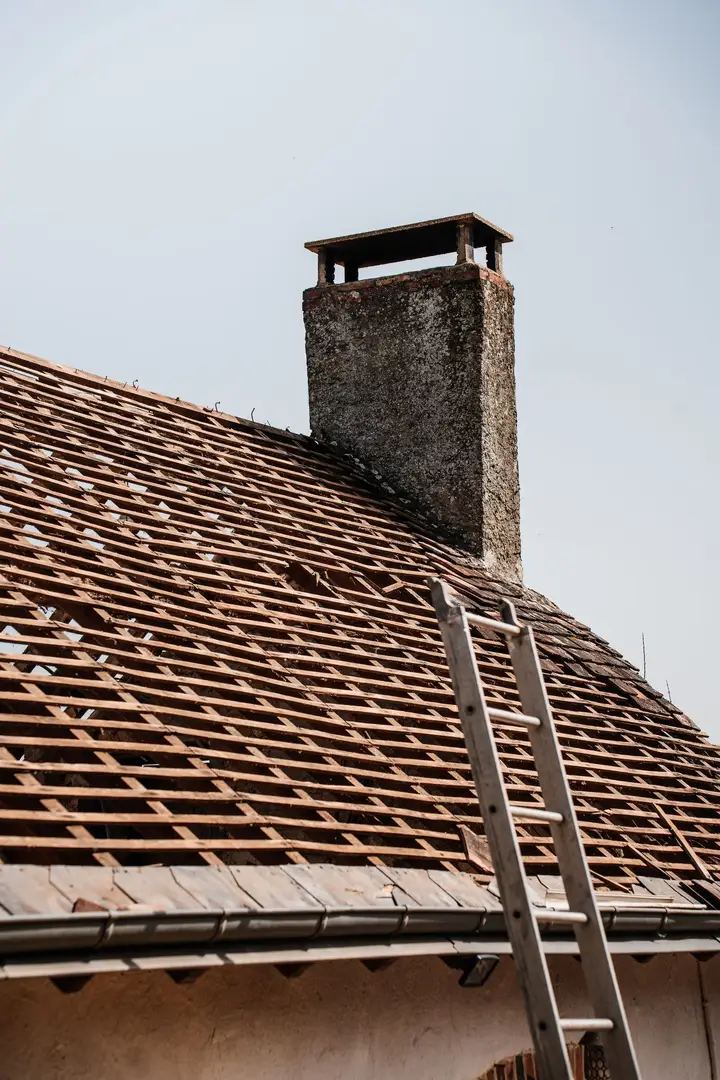
How long a shingle roof lasts in Southwest Florida is one of the first questions we hear, usually from someone whose insurer just asked about the roof’s age. The honest answer is that it depends, and less on the number printed on the shingle wrapper than on how the roof was put on and what it has been through since. Here’s what wears a shingle roof out around Cape Coral and Fort Myers, how to tell when yours is getting near the end, and what you can do to stretch it.
The number on the wrapper
Shingle bundles carry a warranty term, and architectural shingles often advertise a long one. That figure is a warranty, not a life expectancy. It assumes a correct install: the right nail count in the right place, starter strips at the edges, and a ventilated attic underneath. It also usually shrinks in value over time, so a claim late in the term may cover only part of the cost.
In this climate, plenty of shingle roofs come off well before that number. Many people in the trade will tell you to plan on something in the high teens to low twenties for a good architectural shingle roof here, with a wide spread either side. A roof with a good install, a cool attic and a quiet storm history can go longer. One with loose nailing and a hot attic can be worn out years earlier.
What wears shingles out here
Sun. Ultraviolet light breaks down the asphalt, and the granules on the surface are there to shield it. As the granules wear off, the asphalt underneath bakes, dries out and turns brittle. The slopes facing south and west, which take the afternoon sun, almost always age first.
Heat. A hot attic heats the deck from below while the sun heats the shingles from above. Shingles cooked from both sides lose their flexibility sooner and are more likely to crack when the wind flexes them.
Wind. Every gusty storm works at the shingle seal strips. A shingle that lifts and settles may look fine from the yard, but once its seal has let go it’s far more likely to be torn off the next time.
Rain. Afternoon downpours are hard on anything that’s already loose. Water driven sideways by wind finds lifted edges and worn flashing.
Salt air. Near the canals and the Gulf, salt spray speeds up rust on exposed metal: drip edge, flashing, vent flanges and nail heads. The shingles may be fine while the metal around them is giving out.
Signs a shingle roof is getting old
From the ground, with binoculars if you have them, look for:
- Bare patches. Areas where the granules are gone and the black asphalt shows through.
- Granules in the gutters. A handful after a new roof is normal. Piles of it years later are not.
- Curling and cupping. Shingle edges turning up, or the middle of the shingle sinking.
- Cracks. Straight cracks across shingles, often on the sunny slopes.
- Missing shingles. Especially if they keep going missing after ordinary storms.
- Rust at the edges. Drip edge and flashing that’s stained or flaking.
Inside, a stain on the ceiling or a damp smell in the attic means water is already getting through somewhere. One leak doesn’t mean the whole roof is done. Leaks that keep turning up in new places usually do.
How to make it last longer
You can’t do much about the sun, but several things are in your hands.
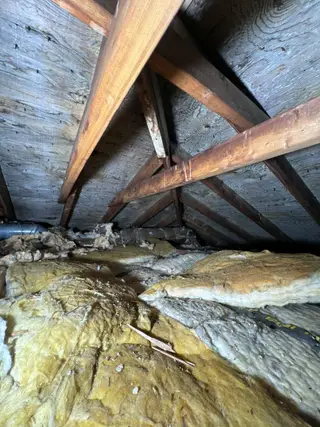
- Keep the attic ventilated. Clear soffit vents, add baffles if insulation has buried them, and make sure bath fans vent outside. A cooler deck is a longer-lived roof.
- Fix small problems fast. A lifted shingle or a cracked pipe boot is a small repair. Left through a rainy season, it can soak the deck around it.
- Keep the roof clear. Palm fronds and leaves in valleys hold water against the shingles. Overhanging branches scrape the surface in every breeze.
- Look after the metal. Rusted flashing near the water can be replaced on its own before it lets water in.
- Check after storms. A quick look after a big blow catches lifted shingles before the next storm takes them.
None of these will turn an old roof into a new one, but they can add years to a roof that was put on properly.
Insurers and roof age
Insurers in Florida pay close attention to roof age, especially on shingle roofs. You may be asked for the age of the roof or an inspection report when you renew or switch companies. Keep the permit and the final inspection for your roof with your house papers; they’re the easiest proof of when it went on. Our insurance claim paperwork page explains what the law says about roof age and coverage, and the roof inspection we can write up for an older roof.
Repair, or start planning?
A roof with years left and a few local problems should be repaired. A roof that’s worn across several slopes, leaking in new places each season and shedding granules everywhere is telling you to start planning a replacement before a storm decides the timing for you. Planning ahead lets you pick the material, get approvals if you need them and avoid the long lines after a hurricane.
If you’re not sure which side of that line you’re on, that’s what the inspection is for. On the wide, low shingle roofs that are common for roofing in Cape Coral, our crew lead walks every slope, checks the attic and sends you photos with a plain answer: how much life we think is left, what would help it last, and whether we’d spend money on it or save it for a new roof.
Questions about this guide
The shingle wrapper said thirty years. Why is mine failing sooner?
The number on the bundle is a warranty term, not a forecast. It assumes the shingles were installed to the maker's instructions over a ventilated attic, and it doesn't account for a Florida summer every year. Read the warranty itself too; many cover less as the years go on.
Does a lighter colour last longer?
It runs a little cooler, and heat is one of the things that ages shingles, so it can help at the margin. Installation, ventilation and storms make a much bigger difference than colour.
Can I just replace the worn slope?
Sometimes. If one slope faces the afternoon sun and wore out first, replacing that slope can make sense when the others are sound. The new shingles won't match the old ones perfectly, and larger sections can bring code rules into play, so we talk through both before you decide.