Roof care
Preparing for a Roof Replacement: A Homeowner's Checklist
Preparing for a roof replacement takes an afternoon of planning and saves a lot of hassle once the crew arrives. A re-roof is loud, it brings a dumpster and a delivery truck to your driveway, and for a few days your yard becomes a job site. Most of what goes wrong for homeowners comes from small things nobody mentioned: a car trapped in the garage, a picture falling off a wall, a dog that slips out of an open gate. This checklist covers what we tell every homeowner in Estero and Fort Myers before their start date.
A week or two before
Confirm the approvals. If you live in an association, make sure its approval for the roof material and colour is in hand. We file the permit once that’s done, and we won’t schedule work until the permit is issued.
Tell the neighbours. A short note with the start date, the expected length of the job and a phone number goes a long way. Tear-off is loud and dusty for a day or two, and people are much more patient when they know what’s coming.
Arrange gate access. In a gated community, check what the gate needs for contractor vehicles and deliveries. We’ll handle the passes, but the management office sometimes needs the homeowner to approve them.
Plan for pets. Hammering and falling debris stress most animals. Some owners keep pets indoors in a quiet room; others arrange a few days with a friend. Gates will be opened during the day, so a dog that normally has the yard needs another plan.
Think about anyone at home. If someone works from home, has night shifts or is recovering from surgery, plan around the noisiest days. We’ll tell you which ones those are.
The day before
Move the cars. The dumpster and the delivery truck usually need the driveway. Park on the street or at a neighbour’s, and take out of the garage anything you’ll need during the job.
Clear the yard near the house. Patio furniture, grills, potted plants, kids’ toys and garden decorations near the walls should move well away. Debris slides off the roof edge during tear-off.
Take down wall hangings. Hammering on the deck sends vibration through the walls. Mirrors, framed photos and shelves with fragile things on the top floor, and on walls that meet the roof, are safer on the floor for a few days.
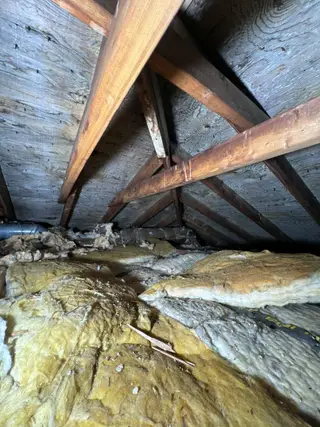
Cover the attic. Throw an old sheet over anything stored in the attic. Dust and small debris will fall from the underside of the deck.
Mark what matters. Tell us about sprinkler heads near the house, buried lines, a septic lid, or plants you care about. We’ll put tarps over beds and protect what we can, but we can only protect what we know about.
Think about the pool and the cage. If your pool sits under a screen enclosure, we cover what we can, but some dust and grit will find the water. Plan to run the filter and skim once we’re done. If any part of the screen enclosure needs to come loose from the roof edge, we line that up with your screen company in advance.
During the job
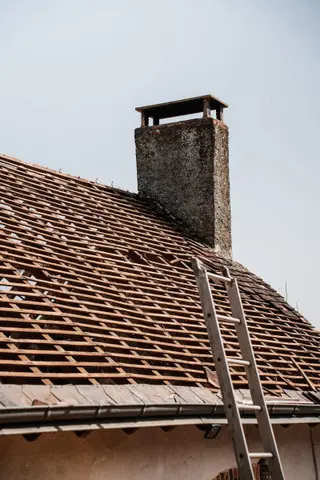
Tear-off. The first day is the loudest. The old roof comes off down to the deck, into the dumpster, and the crew checks every sheet of the deck once it’s bare. Rotted wood is photographed, then replaced at the per-sheet price that’s already on your estimate.
Drying in. Once a section is bare, it’s re-nailed, sealed and covered with underlayment the same day. We never leave a section open overnight.
The new roof. Shingle, tile or metal goes on over the following days. Tile takes longer than shingle or metal, and summer storms can cut afternoons short.
Inspections. The building department inspects during the job and at the end. Some inspections need nothing from you; for others, someone may need to open a gate. We’ll let you know ahead of time.
Each evening. The crew sweeps the driveway and yard with a magnetic roller for nails and tidies the site before leaving.
Things to keep in mind
Power and water. The crew may need an outdoor outlet for a few tools. Let us know if any outlets are on a tripping circuit.
Satellite dishes and solar. Anything mounted on the roof has to come off and go back on. Dishes are usually easy; solar panels need the solar company, and that’s worth booking early.
Rain and schedules. Afternoon storms are part of summer here. The schedule bends around them, but the dry-in rule doesn’t.
After the last day
We walk the finished roof with you, from the ground or, if you like, from the ladder, and go through the photos of the work. We do a final magnetic sweep of the yard and driveway. You get copies of the permit, the inspection results and the product approvals to keep with your house papers.
Afterwards, keep an eye on the yard for a week or two. A stray nail can turn up after a hard rain or a mow, even after a thorough sweep. If you find one, let us know.
Working in Estero communities
Many of the gated communities around roofing in Estero have their own rules on working hours, where a dumpster may sit and how long materials can stay in a driveway. We plan the schedule around those rules from the start, so the job doesn’t stall on a notice from the management office. Our roof replacement page walks through each stage of the work itself, from the deck to the ridge. If your start date is coming up and something on this list doesn’t fit your house, call the crew lead who inspected your roof, and they’ll work it out with you.
Questions about this guide
Can I stay in the house during the re-roof?
Yes, most people do. It's loud during tear-off, so anyone working from home or with a newborn might want to be out for those hours. Once the new roof is going on, the noise drops a lot.
What happens if it rains mid-job?
We only open as much roof as we can dry in the same day, and we watch the radar. If a storm builds, the crew covers any open area before it arrives. In summer that sometimes means an early finish.
Do I need to empty the attic?
No, but cover anything stored up there. Hammering on the deck shakes loose dust and old debris, and a drop cloth or old sheet saves a lot of cleaning.